
Investigation in Progress

On the morning of January 29, 1998, I was getting ready for work when I heard an explosion. It was a bomb that went off at the New Woman All Women Health Care Clinic in Birmingham, Alabama. An off-duty police officer working security was killed, and a nurse was seriously injured.
I was the prosecutor on call, but I also had experience handling explosive cases. I was already dressed and ready to go in the few minutes it took an ATF agent to get me on the phone and ask me to meet him at the scene, a couple of miles from my house. Our immediate concern was public safety. Who was responsible? Did they have additional attacks planned? Did they have a “bomb factory” in a place that posed a risk to others? Those questions and many others swirled through our minds.
Establishing a command post and implementing an incident command system is one of the first steps in a case like this. Then, both FBI and ATF called in their response teams, highly trained agents who specialize in early response, evidence collection, and analysis. Tech equipment was quickly brought into a large area in the local FBI office that had space for tables for each of the federal, state, and local law enforcement agencies that were involved. It was important that we all worked in close proximity so we could bounce ideas and requests off of each other. That room became my home for the next few months as we cut hundreds of subpoenas, prepared search warrants, discussed different investigative strategies, and ultimately, put together a case.
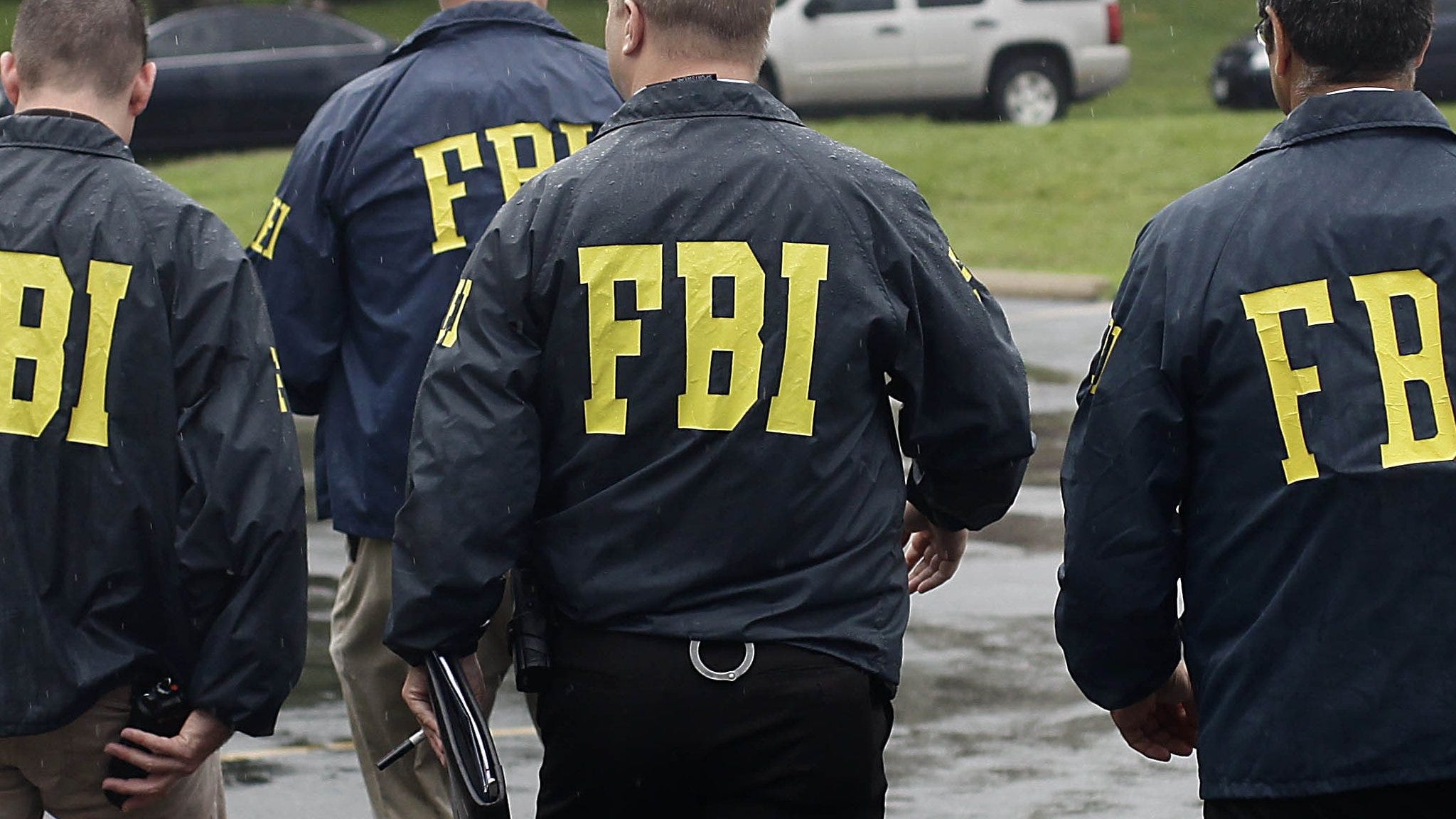
We got a lucky break that first day. A premed student had observed one person slowly walking away from the scene while everyone else ran toward it. He followed him and got a partial ID and other information. He convinced some folks at a local fast-food place to call the police. It was excellent evidence as the investigation developed, but it wasn’t enough in the moment. The bomber got away. Eric Robert Rudolph, a member of a right-wing Christian nationalist group, came prepared with a disguise and a strategy and became a fugitive even as he was being identified as the bomber. He signed letters using the moniker “Army of God” and remained a fugitive for years, until he was arrested on May 31, 2003, in Murphy, North Carolina. Rudolph ultimately pled guilty to the Birmingham bombing and three others in Atlanta, including the Centennial Olympic Park bombing.
But that took five-plus years. In other words, investigation and prosecution following dramatic crimes isn’t always fast. The public needs to measure expectations and wait for the facts to be uncovered and suspects and motives identified before jumping to conclusions. Fog of war is real. In cases like the Centennial Olympic Park bombing, or in the investigation into the murder of my father-in-law, a federal judge, early evidence that leads investigators to focus on one subject and set of motives can ultimately turn out to be a false lead. It’s important to avoid a rush to judgment if we really care about the truth—and, if we really care about solving crimes, finding the people responsible, and protecting communities from them. Following preconceived notions instead of the evidence is dangerous.
Federal, state, and local law enforcement will work together to try and solve the murder of Charlie Kirk. Murder cases, unless they occur on federal land, involve federal employees, or are committed in specific circumstances (for instance, murders involving civil rights violations), are usually matters for state prosecution. But all levels of law enforcement will work together to solve the crime.
In the early days following a crime like Kirk’s murder, with no suspect identified, let alone arrested, there is a lot of reason for concern. There is an ongoing danger to public safety from the perpetrator. There is a risk of copycats. We saw that today when threats shut down HBCUs, including Alabama State, Hampton, Virginia State, Southern, and Bethune-Cookman, and led to a search of the DNC headquarters. Misinformation, disinformation, and conspiracy theories begin to circulate, but agents and prosecutors have to focus on collecting all of the evidence, without prejudging where it might lead them, in a manner that protects its admissibility in a prosecution. Holding the people responsible accountable and making sure they aren’t in a position to hurt anyone else is essential.
In a case like this one, it’s easy to make assumptions about the shooter’s motives. We’re seeing an unfortunate tendency from people (including the president) to leap to conclusions. Instead, we have to wait and see what the evidence shows.
Today, we’re finding out why it’s so important to have experienced, immaculately trained, calm and collected federal law enforcement folks who have solid relationships with their state and local partners in place when a crime like this happens. It makes all the difference. Running the FBI is not a gig for the inexperienced. Loyalty to the president doesn’t matter. Competence and experience are required to keep communities safe in moments like this. Politicizing the Department of Justice and refocusing its resources on immigration enforcement doesn’t help keep us safer, it turns out.
Much of the focus today was on the politics of the moment. Trump’s unseemly comments at the 9-11 memorial. JD Vance’s use of Air Force 2 to convey Kirk’s body to his family. The unfavorable comparison to how the president and vice president responded to the murder and assaults on Democratic officials and family members in Minnesota. The way Republicans made jokes when Speaker Pelosi’s husband Paul was viciously attacked. But there is more to this than the politics. There are the law enforcement concerns—chief among them, the need to keep communities safe.
The response from federal law enforcement leaders has been less than admirable, even as line agents diligently carry out their investigative responsibilities. Yesterday, the FBI Director announced there was a suspect in custody. Then, oops, it turned out that it wasn’t the guy, and he had to walk it back. Today, an ATF agent told a right-wing influencer the shooter’s ammunition was engraved with pro-transgender sentiments, but officials are now saying that “could” be wrong. One of the key tasks following a crime like this is to establish a briefing schedule for the public and stick to it, providing reliable and credible information and telling them candidly when you can’t share certain information because it would impede the investigation or when you don’t have answers to questions they are asking. Public information officers train to do this job and do it well. But today, we didn’t see that.
We saw tweets instead of press conferences and faulty information presented as fact. Instead of serving as the credible source for reliable updates that tamps down on conspiracy theories, this irresponsible action will undoubtedly fuel them. FBI Director Kash Patel and his Deputy Dan Bongino, neither of whom has the experience to run an investigation like this, are headed to Salt Lake City. Their presence will be a hindrance, not a help to investigators who will have to step away from their responsibilities to kiss the ring. It will be a photo opp, not service to the public.
Investigators have reportedly collected physical evidence including a gun and palm prints they believe are connected to the person who murdered Kirk. There is likely a great deal of other evidence and tips to follow up on that we don’t know about. Will investigators be ordered only to follow leads that confirm the president’s narrative about who the shooter is? Will investigators be afraid to follow the facts, having seen how easily agents who were doing their jobs but ran afoul of Trump can be fired?
An investigation like this requires painstaking work, done by professionals who understand the constitutional constraints they operate under if their evidence is going to be admissible in court. Senators who voted to confirm people who are unsuited to lead federal law enforcement and do other important jobs that impact public safety should be having a moment tonight.
Many of you have seen a retired ATF agent, Jim Kavanaugh, on MSNBC these last few days, helping to explain how an investigation in a case like this works. Jim knows better than most. He was the special agent in charge of the Birmingham bombing for ATF. He was a hostage negotiator at Waco. He was involved in VanPac. His outstanding relationships with state and local law enforcement and his colleagues at the FBI helped that investigation ultimately succeed. People like Jim are who you want in place when the chips are down. They are people who have risen through the ranks on merit, people who study not just how to do law enforcement but how to do it fairly and consistently with constitutional values, people who commit to getting the job done and doing it the right way.
Much of the discussion we’re going to hear about this case in the next few days will be about politics. But we shouldn’t lose sight of the law enforcement concerns and the importance of public safety. The question is whether the traditional values of the Justice Department will be permitted to stay in play here or whether in this case, as in so much else during this administration, it will be about politics, not about protecting the public.
We’re in this together,
Joyce
Thank you for your clear, calm writing. Your previous experience is so valuable to us all. I wish we had a present leader who was capable and wished to be a calming and clearheaded influence right now. It would mean so much.
A calm, cool and vastly reasonable assessment … but these days, there are few cooler heads and too many pointed fingers. What the FBI did twenty years ago is no prediction of what it will do tomorrow.